
Owning A Bookstore: The Essential Planning Guide
Owning a bookstore can be deeply satisfying, yet overwhelming too. Owning a small business demands careful planning, sound financial decisions, and steady retail management. A love of books and a vision shapes the store’s personality, yet a workable business model keeps the doors open.
Before signing a lease or ordering inventory, learn about what owning a bookstore requires. You may be surprised that earning a living or generating a profit is not a given. Define the store you want to create, who it will serve, why local readers will visit, and how it will generate enough to, at the bare minimum, cover operating costs. The Essential Planning Guide from The Bookstore Training Group helps prospective owners explore the realities with bookstore specific exercises, vendor information, and practical planning tools.
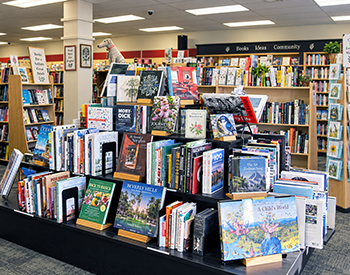
Start with a clear bookstore concept
Your concept should connect the community, merchandise, location, and customer experience. A general bookstore may need broad appeal. A children’s store, romance store, or specialty shop can build a strong identity, yet requires enough demand to make it work.
The U.S. Census Bureau’s Business Builder provides demographic and economic data for market and location research. Talk with residents, educators, librarians, and nearby businesses too. Direct conversations can reveal local needs that broad data may miss.
Build a realistic business plan
A bookstore business plan should explain the concept, target customers, competitive position, marketing approach, staffing needs, and financial outlook. The U.S. Small Business Administration planning guide offers generic market research guidance, planning templates, and a startup cost calculator.
In the Owning A Bookstore Guide, the financial section is all about independent bookstore operations. Estimate opening inventory, freight, fixtures, deposits, professional fees, technology, insurance, payroll, marketing, and more. Then project monthly sales, gross margin, operating expenses, cash flow, and owner compensation using actual figures from independent bookstore members of the American Booksellers Association. Try a variety of scenarios to see your best- and worst-case outcomes.
The Foundations for Success online training adds an extensive master spreadsheet with opening costs, funding needs, and financial projections. Plus, there are insights on location strength, lease negotiation, and a detailed opening timeline.
Choose the location with numbers, not instinct alone
 A charming storefront is not automatically a good business location. Study visibility, access, parking, nearby businesses, pedestrian activity, occupancy costs, delivery needs, and the customers who live or work nearby.
Compare projected sales with total occupancy costs before signing a lease. Ask a qualified lease specialist and financial adviser to review and explain the terms and obligations. Buildout responsibilities, renewal options, signage rights, operating restrictions, and personal guarantees can affect the store for years.
Plan and align store design and inventory
An effective bookstore design with selection of flexible fixturing makes shopping easy. Customers should understand the store quickly, move comfortably, and discover books without feeling lost. Sightlines, lighting, shelving, checkout placement, event space, children’s areas, and accessible paths all matter.
The opening inventory should express your concept and serve real customer demand. With millions of books in print, there are tools to help you invest in what’s current and trending. It should also fit the available cash and shelf space. Plan categories, quantities, price points, non-book merchandise, receiving, returns, and reordering before opening. Know what features are fundamental to buying and inventory management to help you choose a bookstore computerized management system. The Bookstore Training Group offers support for bookstore design and bookstore inventory. Its combined design and inventory package can help owners coordinate these one time decisions.
Prepare for daily bookstore operations
 Owning a bookstore means multi-tasking and managing details every day. Owners monitor cash, receive shipments, maintain displays, schedule staff, order books for customers, plan events, manage returns, and review sales reports. All of these are off-the-floor tasks. A point of sale and bookstore computerized system should support electronic ordering based in ISBNs, inventory management, customer service, accounting, analysis and more.
Learning begins before opening. There are many tasks that are retail-specific and the book industry has its own nuances that surface during ordering, receiving, special orders, discounts, vendor returns, damaged goods, online orders, opening and closing, and back-up plans.
The business needs an Employer Identification Number, the IRS EIN page explains eligibility and the free application process. With these, you can open your business checking account. Start-up tasks take time.
Create many reasons to visit
Successful bookstores often combine thoughtful selection with community connection. Author events, story time, book clubs, school book fairs, non-author programs, promotional displays, gift cards, strong staff recommendations, loyalty programs all encourage repeat visits. Choose programs that suit the concept and that staff can deliver consistently.
Marketing should begin before opening and the branding package is key. Build a customer contact list, set up your website and establish social media accounts, introduce the store to local organizations, and share the story of your dream. After launch, track which activities produce visits, sales, and returning customers. How do people hear about you?
Learn before making expensive commitments
Training will help guide your efforts, save you time, and help you avoid common pitfalls. The Essential Planning Guide is designed to help you get into the business with eyes wide open. You’ll find book industry fundamentals, financial dynamics, leases, buying books, bookstore management systems, grand opening preparation, vendor resources and beyond. The standard edition is currently listed at $189 plus shipping and handling. Purchase the standard edition.
An ABA member edition is currently listed at $164 plus shipping and handling. Purchase the ABA member edition.
Prospective owners who want everything you need to plan and get open can consider the Bookstore Start Up Package, which combines the Planning Guide with Foundations for Success and Launching Your Bookstore training. Owners with specific questions can also explore bookstore consulting.
Owning a bookstore can begin long before opening day. Careful preparation cannot remove every risk, but it can replace guesswork with informed decisions and give you confidence to move forward.
Owning a Bookstore FAQs
What should I know before owning a bookstore?
Understand what your career will look like, what you do all day, what you’ll need to open and how to create a bookstore to last.
Know your target customers, local competition, startup budget, expected sales, inventory strategy, and daily workload.
Play all of these elements out in a bookstore business plan before signing a lease or placing large orders.
How much money do I need to open a bookstore?
Your initial investment will depend on your location, size, inventory, vision and buildout needs, staffing, and working capital.
Use bookstore metrics to create itemized opening and monthly budgets, then assess the cash needed under each informed sales assumption.
Is owning a bookstore profitable?
A bookstore can be profitable, yet profit is not guaranteed.
Results depend on sales volume, gross margin and the ability to manage rent and other occupancy costs, payroll, buying and marketing expenses.
Ultimately, the ability to create repeat business and grow the customer base will determine owners compensation and ROI, return on investment.
How do I choose a bookstore location?
Know your community, then assess target customer data, visibility, access, parking, compatibility of nearby businesses, foot traffic, rent and occupancy costs.
Confirm that projected sales falls in-line with independent bookstore metrics provided by the ABACUS Financial Survey of Independent Bookstores conducted by the ABA, American Booksellers Association.
What inventory should a new bookstore carry?
Choose books and non-book merchandise that fit your bookstore concept and demonstrated local demand.
Develop categories then determine the number of titles and quantities for each based on your planogram and fixture selection.
Bookstore fixtures should be able to display all of your book and non-book categories.
What training helps a first-time bookstore owner?
First, acknowledge you may be entering a new field in a new industry.
Bookstore management is retail and small business management combined.
Useful retail bookstore training covers understanding the financial dynamics, importance of lease terms, buying and inventory management routines, bookstore design, flexible fixtures, technology that works within the book industry, staffing and volunteers, marketing, and daily operations.
If these are new to you, give yourself time to learn and be prepared. Bookstore specific guidance can help a first-time owner apply general business principles to bookselling.